
Denton, TX roof replacement
Commercial Roof Replacement in Denton, TX
Planning a new low-slope roof system? Call to talk through the options, or send a short request and we will look at a site-specific assessment before you budget anything.
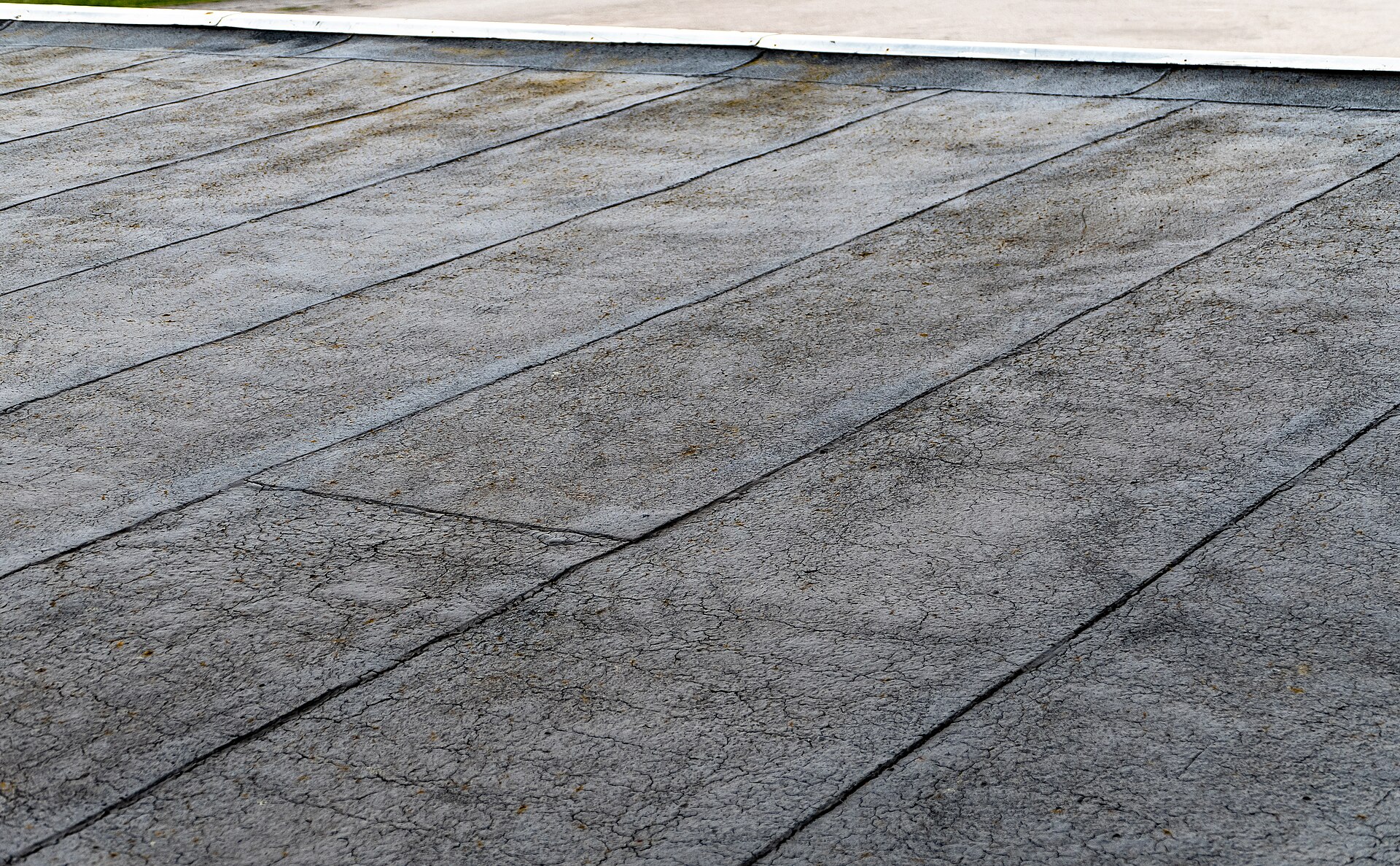
When replacement makes more sense than another repair
Replacement is a bigger decision than a repair, so it is worth being specific about when it actually pays off.
Replacement is worth pricing when
- Leaks keep coming back in different places after repairs
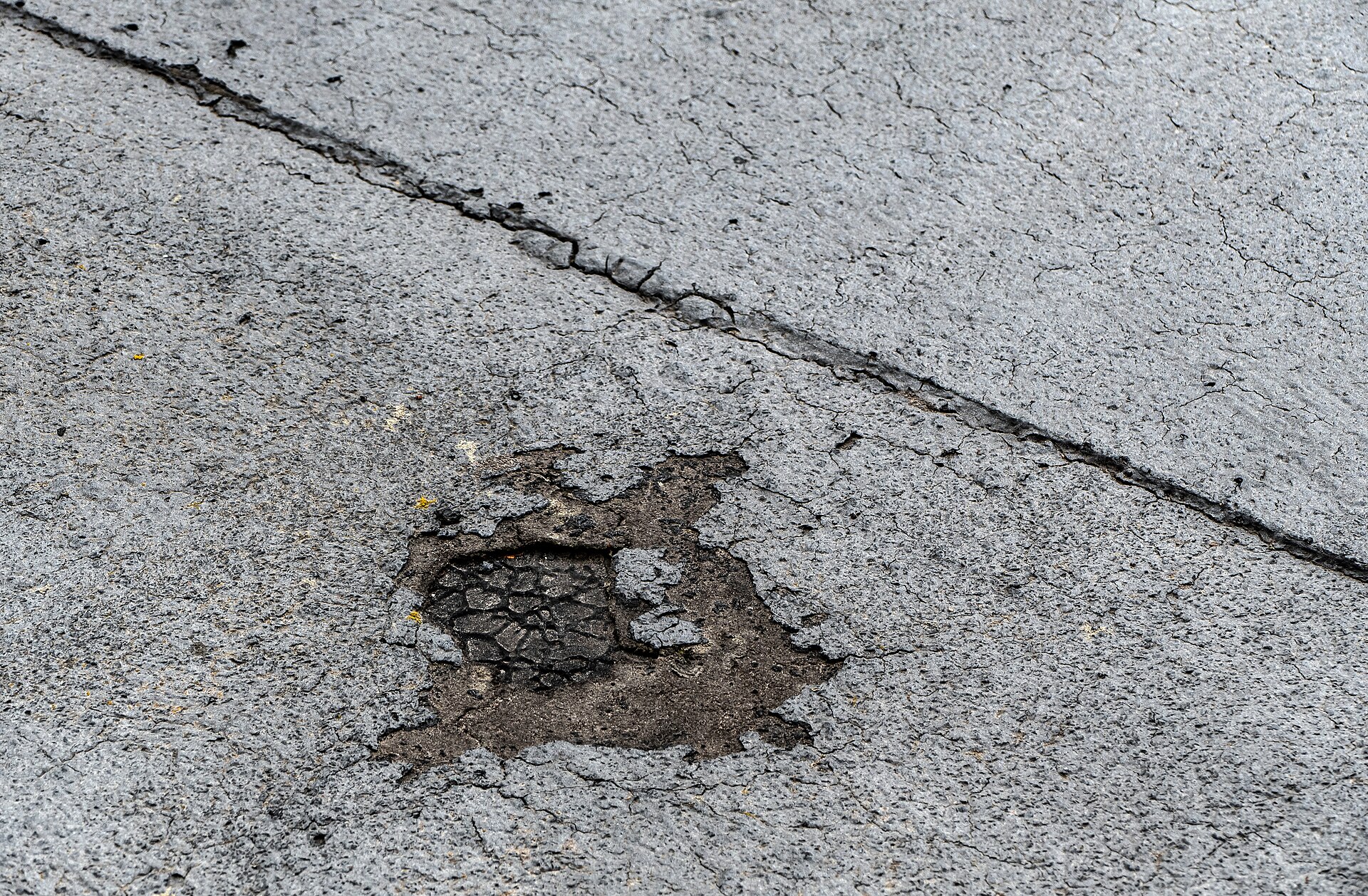
- The membrane is brittle across the field or near end of life
- Moisture has gotten into the insulation over a wide area
- Repair costs are stacking up toward the price of a new system
A repair may still be the better move when
- The problem is contained to one area of the roof
- The rest of the membrane and insulation are still sound
- Budget timing favors holding the roof until a capital year
Not sure which applies to your roof? A roof inspection settles it with real detail instead of a guess, and the same findings feed directly into planning a replacement if that turns out to be the right path.
Choosing a replacement roof system
Denton's commercial building stock runs from older built-up roofs on older properties to newer single-ply systems on more recent construction. The right replacement system depends on the building era, budget, and how the roof is used.
- TPOReflective single-ply, common on warehouse and retail replacements for heat performance and cost. See TPO roofing.
- PVCSingle-ply that holds up to grease, chemicals, and ponding, often chosen for restaurant and industrial roofs.
- EPDMA rubber membrane well suited to large, simple roof fields and wide temperature swings.
- Modified bitumenA multi-ply asphalt system for roofs with heavy foot traffic or complex details.
- MetalStanding seam or low-slope metal where a long-life panel system fits the building and budget.
- Built-upTraditional layered systems are less common in new replacements but still specified in some cases.
What a replacement project looks like
A general shape of the process. Actual timing and sequencing depend on the building, the system, and access.
Assessment
We look at the existing roof, deck, and insulation to see what the new system needs to account for.
System selection
We go over system options for your building type, budget, and how the roof is used.
Installation
Work is typically staged so the building can keep operating where access allows.
What the deck and insulation tell us before a system is chosen
The old roof is removed to get an honest look at what is actually underneath it.
A replacement is also the point where the roof deck and insulation get checked directly rather than inferred from the surface. Wet or deteriorated insulation, deck corrosion or rot, and any structural issues around drains and penetrations all get addressed as part of the project, since building a new membrane over a compromised substrate just carries the old problem forward under new material. That inspection also informs the insulation plan: adding or upgrading insulation during a replacement is often the most cost-effective time to improve the roof's overall thermal performance, since the labor to access the deck is already part of the project.
System selection follows from that assessment, not the other way around. A building with heavy rooftop equipment and service traffic needs a system and insulation package that holds up to that use, while a simpler field with light access needs different priorities. We go through those specifics for your building rather than defaulting to a single standard system for every project.
Drainage gets the same level of attention as the membrane itself. A replacement is the natural point to correct persistent low spots or undersized drains that were causing ponding on the old roof, since regrading or adding drainage capacity during the project avoids repeating the same water problem on a brand new system that should not have it in the first place.
Energy and heat considerations
North Texas summers put real heat load on a dark, older roof. A reflective single-ply system runs cooler at the surface than aging built-up or dark membrane roofs, which is one reason TPO and PVC are common choices on warehouse and retail replacements along the I-35E, I-35W, and Loop 288 corridors.
How much that translates into lower cooling costs depends on the building's insulation, HVAC system, and use, so treat reflectivity as one factor among several rather than the deciding one on its own.
Commercial roof replacement FAQs
How do I know it is time to replace instead of repair again?
If leaks keep showing up in different places after repairs, the membrane is brittle across wide areas, or moisture has spread through the insulation, replacement is worth pricing against another round of repairs. An inspection gives you the specifics.
Which roof system should I choose?
It depends on the building type, budget, and how the roof is used. TPO and PVC are common for their heat performance and cost, EPDM for large simple fields, and metal or modified bitumen where the building or budget calls for it. We go through the tradeoffs for your specific roof.
Does a new roof help with cooling costs?
A reflective single-ply system or a light-colored membrane reduces rooftop heat gain compared to an older dark roof, which is a real factor in North Texas summers, though the actual effect on a building's cooling costs depends on the building itself.
Can the building stay in use during a replacement?
In most cases, yes. Low-slope replacements are typically staged in sections so the building keeps operating, though the exact approach depends on the roof and access.
Do you replace older built-up roofs?
Yes. Many older Denton commercial buildings still have built-up roofs, and replacement usually means moving to a modern single-ply or modified bitumen system suited to the building.
Get a replacement assessment
Call for the fastest answer, or send a request and we will get back to you about the roof.
940-233-7132