
Denton, TX roof inspections
Commercial Roof Inspections in Denton, TX
Know the real condition of your roof before you budget for repair, replacement, or maintenance. Call to schedule, or send a short request.
What a good commercial roof inspection covers
A useful inspection is structured, not a quick walk across the field. Here is the scope, checklist-style.
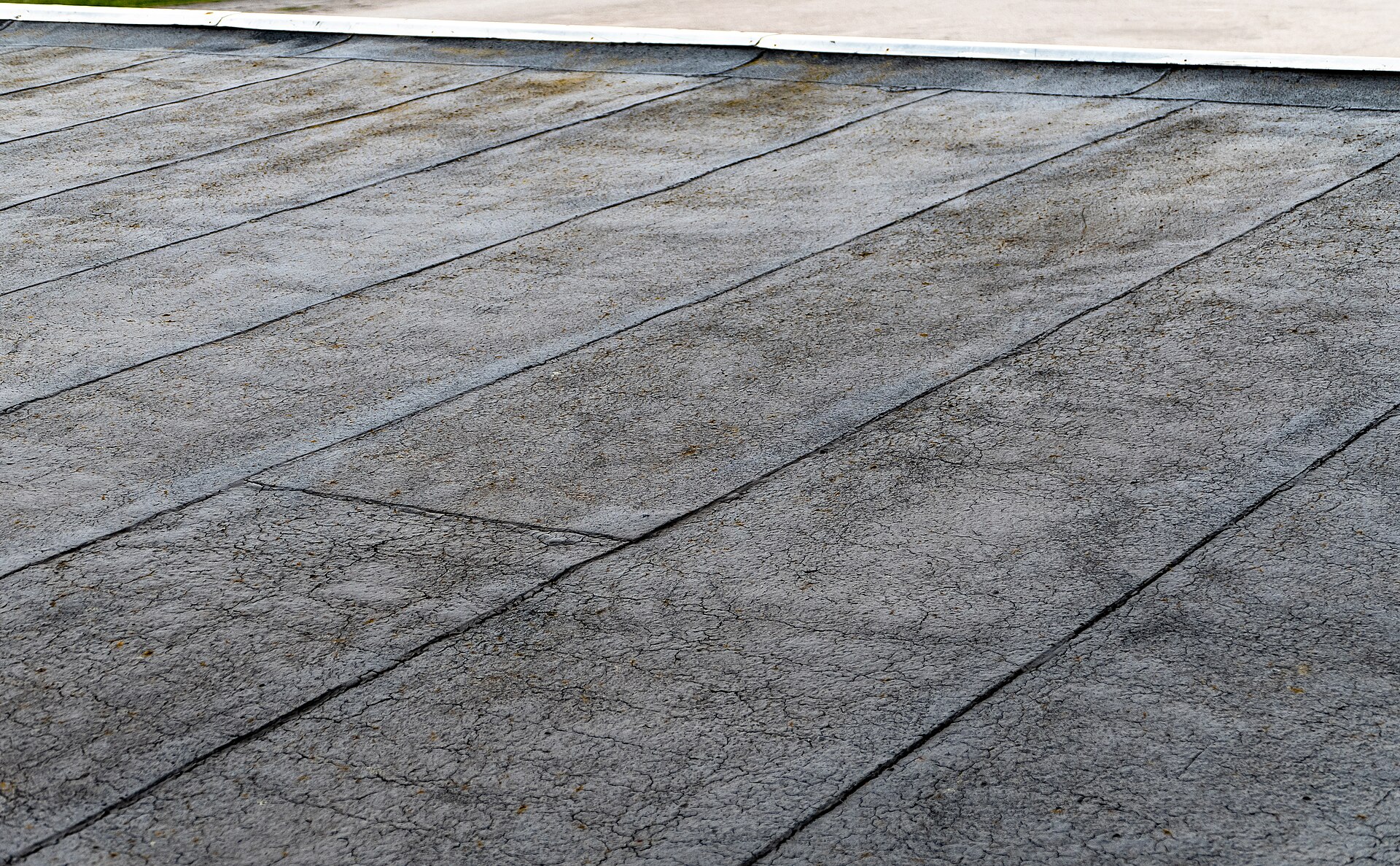
- Membrane field: blisters, cracks, brittleness, wear patterns
- Seams and welds: separation, adhesive failure, lifted edges
- Flashing: walls, curbs, parapets, and coping
- Penetrations: pipes, vents, and equipment curbs
- Roof edges: metal, fasteners, and termination bars
- Drains and scuppers: clogs, low spots, and standing water
When to schedule an inspection
Three common times an inspection makes sense.
After storms
North Texas hail and wind can bruise membranes and lift flashing without visible damage from the ground. A post-storm check can catch a problem before it becomes a leak.
Before budgeting
If you are planning capital spending for the year, an inspection tells you whether the roof needs to be part of that conversation.
On a schedule
Routine inspections, paired with basic maintenance, are how a roof reaches its full expected service life instead of failing early.
- Roof repairFor roofs with a known active problem.
- Roof maintenanceFor roofs in reasonable shape.
- Call 940-233-7132Or talk through what your roof needs.
What happens after the inspection
The inspection findings point toward one of three paths, and we walk through the reasoning with you rather than just handing over a checklist.
Where the findings usually lead
- Repair. Contained damage with a sound field around it points to a repair. See roof repair.
- Replacement. Widespread wear or repeated failures across the field points toward pricing a roof replacement.
- Maintenance. A sound roof with minor findings is a good candidate for a maintenance plan.
- Nothing urgent. Sometimes the roof simply checks out, and the inspection becomes the baseline record for next time.
What you get from the inspection
Every inspection is walked through with you afterward: what was found, where it was found, and what it points to. That includes the condition of the membrane field, any seams or flashing that need attention, drain condition, and anything unusual around rooftop equipment. The point is to leave you with a clear, specific picture of the roof, not a vague pass or fail.
That record also becomes useful later. If you have a repair a year from now, being able to compare current conditions to a prior inspection helps tell whether a problem is new, worsening, or something that was already noted and monitored. Building that history is one of the more overlooked ways to get ahead of expensive roof problems instead of reacting to them.
- What we checkMembrane, seams, flashing, penetrations, edges, drains.
- What you getA walkthrough of findings and what they point to.
- Where it's usefulBudgeting, storm response, and tracking roof condition over time.
Inspections across Denton and North Texas
Warehouse and distribution buildings along I-35E and I-35W, retail centers off Loop 288, and offices and light-industrial buildings throughout Denton all carry the same low-slope roof types and the same North Texas exposure to heat, hail, and heavy rain.
That shared exposure is exactly why a scheduled or post-storm inspection is worth treating as routine rather than something you only think about after water is already inside the building, no matter which corridor or part of Denton the property sits in, and no matter how old or new the roof is.
Who inspections are for
Building owners, property managers, and facility managers all use inspections differently, but for the same underlying reason: knowing roof condition before it becomes a problem.
An owner planning a sale or refinance uses an inspection to document current condition for due diligence. A property manager uses one to plan next year's maintenance budget with real numbers instead of guesses. A facility manager uses one after a tenant reports a ceiling stain, to trace it back to an actual cause rather than authorizing a repair on a hunch. The inspection itself does not change, but knowing what you plan to do with the findings helps us focus the walkthrough on what matters most to you.
- Request an inspectionTell us about the building and the reason for the inspection.
- Call 940-233-7132Talk through timing and scope.
Commercial roof inspection FAQs
What does an inspection actually cover?
The membrane field, seams, flashing at walls and curbs, penetrations, edges and coping, and the drains. The goal is to find failures before they leak, not just confirm a leak you already know about.
How long does an inspection take?
It depends on the roof size and how many rooftop details there are to check. We can give you a better estimate once we know the building and roof size.
What do I get after an inspection?
A rundown of the roof condition and what it points to: a repair, a replacement conversation, or a maintenance plan, with the reasoning behind the recommendation.
Should I get an inspection after a storm?
It is a reasonable time to check. Hail and wind can bruise membranes and lift flashing without leaving obvious damage visible from the ground, so a storm inspection can catch problems before they turn into a leak.
Do you inspect roofs you did not install?
Yes. Most inspections are on roofs we have not previously worked on. We assess the roof as it is now.
Schedule a roof inspection
Call for the fastest answer, or send a request and we will get back to you about the roof.
940-233-7132