Denton, TX roof repair
Commercial Roof Repair in Denton, TX
Leak or an active roof problem? Call now and describe what you are seeing, or send a short request. We diagnose by symptom first and match the repair to your roof system.
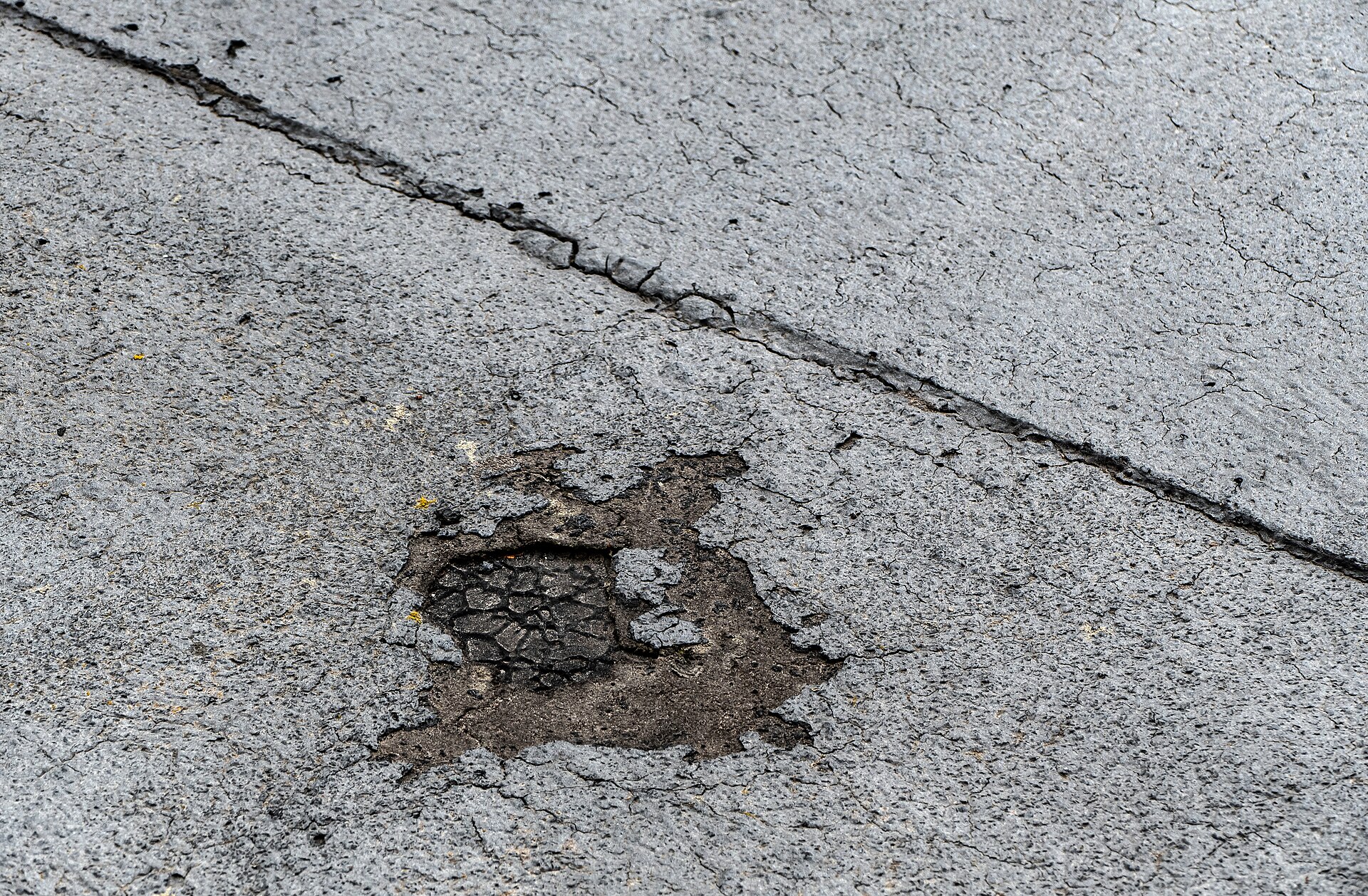
Signs your commercial roof needs repair
Low-slope roofs usually show a symptom before a full failure. Here is what those symptoms tend to mean.
Active leaks
Water inside the building, especially after rain, is the clearest sign. The entry point is often several feet from where the water shows up inside.
Ponding water
Water sitting on the roof for more than a day or two after rain points to a drainage problem, low spot, or clogged drain, and it accelerates wear wherever it sits.
Open or shrinking seams
Single-ply seams that have separated, even slightly, let water track under the membrane before it ever shows up as a visible leak.
Blistering or brittle spots
Localized blisters or a brittle patch can often be repaired if the rest of the field is still sound.
Failed flashing
Lifted or cracked flashing at walls, curbs, and parapets is a common, repairable entry point, especially after wind or hail.
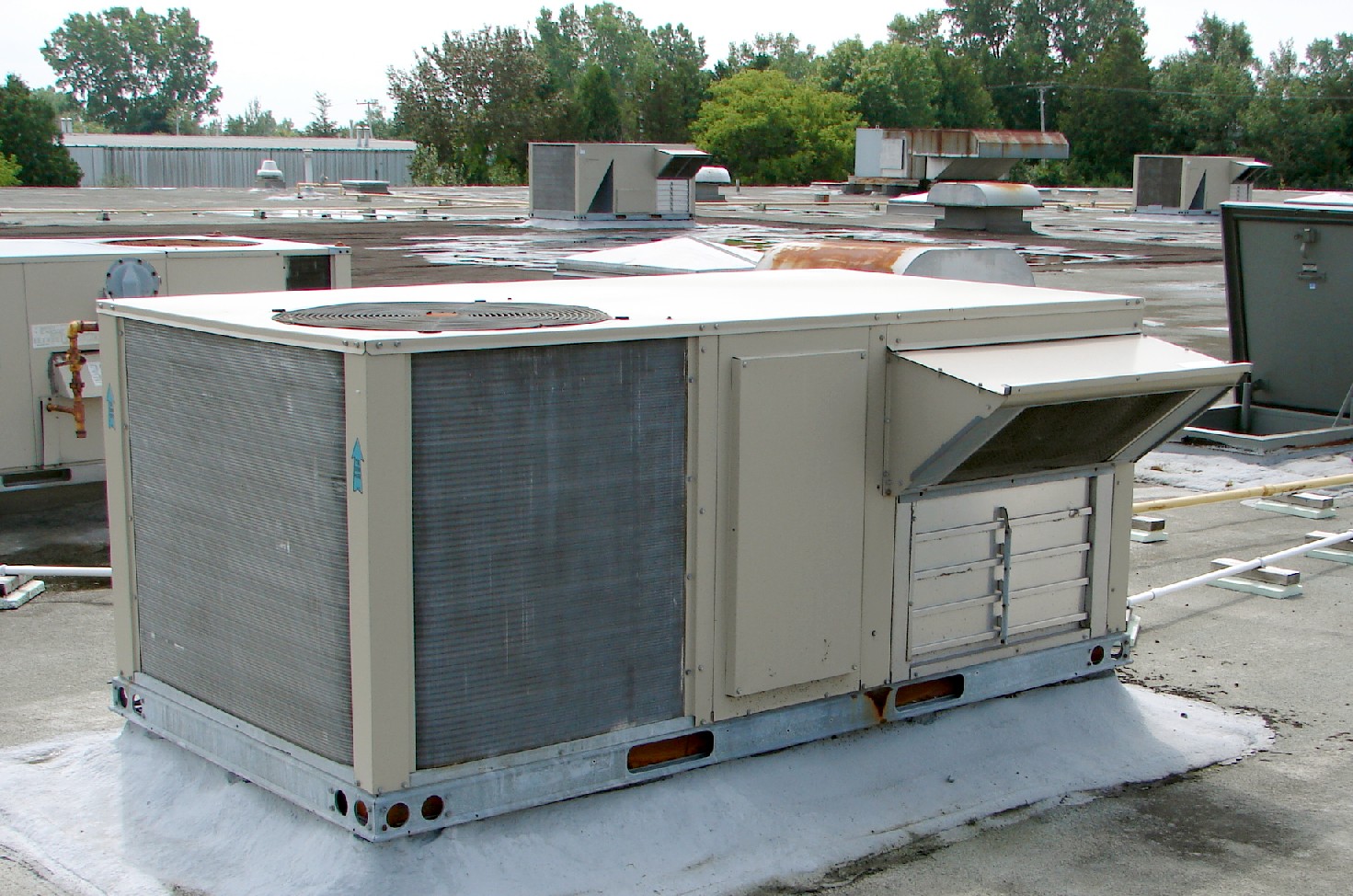
Damage around equipment
Worn pitch pockets and curb seals around HVAC units and vents are frequent, contained repair spots.
How we diagnose the problem
A repair is only as good as the diagnosis behind it.
We start with what you are seeing, where the interior damage shows up, when it started, and whether it tracks with recent weather. From there we look at the roof itself: the membrane field for blisters, cracks, or wear; every seam near the affected area; flashing at walls, curbs, and penetrations; the drains and any standing water; and the insulation underneath, since wet insulation changes the repair plan. Tracing water from where it appears inside back to where it is actually entering the roof is usually the difference between a repair that holds and one that does not.
- Roof inspectionsFull-roof condition, not just the problem spot.
- Call 940-233-7132Describe what you are seeing.
Repair by roof system
The repair method changes by system. We work on all of the low-slope systems common on Denton commercial buildings.
- TPOHeat-welded seam repair and patching over sound substrate. See TPO roofing.
- PVCChemically welded repairs suited to roofs exposed to grease or rooftop chemicals.
- EPDMAdhesive-set patches and reset seams on rubber membrane fields.
- Modified bitumenTorch- or cold-applied patching matched to the existing multi-ply system.
- MetalFastener, seam, and panel-level repair on standing seam and low-slope metal roofs.
- Built-upSection replacement and re-flashing on older layered asphalt roofs.
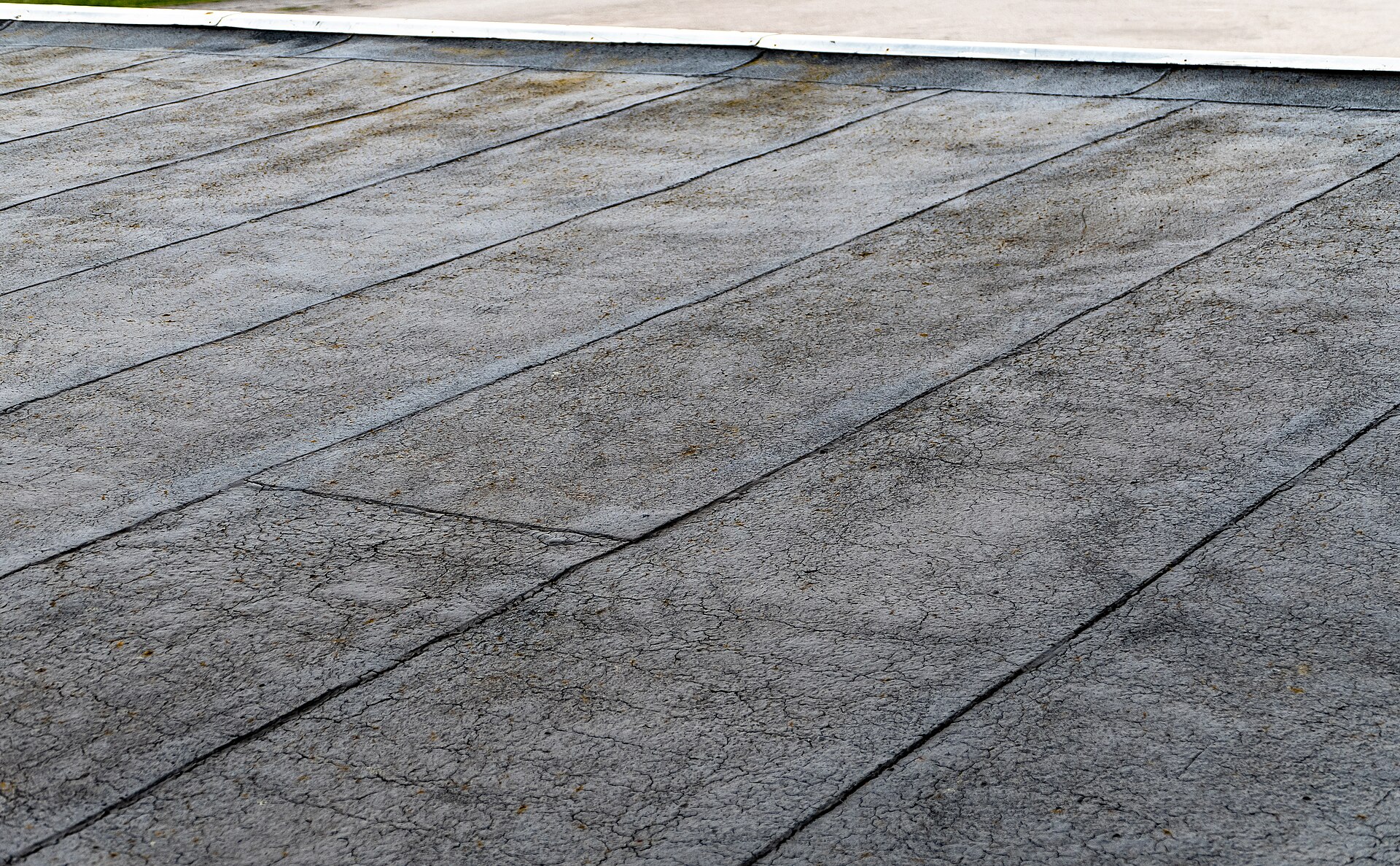
Repair vs. replacement: when a repair is the right call
Most commercial roof problems are repairable. Here is how to tell the difference between a roof that needs a repair and one that is signaling for a replacement conversation.
A repair is the right call when
- The failure is contained to one area, not spread across the field
- The membrane away from the problem spot is still sound
- The insulation underneath is dry
- You need it watertight now and can plan larger work later
It is time to look at replacement when
- Leaks keep returning in different places after repairs
- The membrane is brittle or failing across wide areas
- Moisture has spread through the insulation
- Repair costs are stacking up toward the price of a new roof
What to expect
A straightforward process from the first call to a watertight roof.
Describe the problem
Call or send a request with what you are seeing and where.
Diagnosis
We trace the leak or damage to its actual source on the roof, not just the drip point inside.
Repair
We repair the affected area using the method that fits your roof system.
Access, safety, and what a repair visit looks like
A commercial roof is a workplace, not a walking path, and the repair process reflects that.
Getting on a low-slope roof safely means checking access points, roof edges, and any fall hazards before work starts, especially around parapets, skylights, and equipment curbs. That first pass doubles as a quick scan for anything beyond the reported problem, since a repair crew standing on the membrane can often spot a second developing issue, an early blister, a loose fastener, that would not be visible from the ground or from inside the building.
Once the affected area is confirmed, the repair itself is scoped to the actual damage rather than a larger area than necessary. Materials and technique follow the existing roof system, heat-welded seams for TPO, chemically welded seams for PVC, adhesive-set patches for EPDM, so the repair integrates with what is already on the roof instead of introducing a mismatched material. Where the cause of the failure is something structural, a worn curb, a chronically clogged drain, we point that out directly, because patching the membrane without addressing the underlying cause usually means calling again for the same problem later.
Weather also factors into repair timing. North Texas storm season brings hail and wind events that can cause damage in a short window, and a membrane that is already wet from recent rain sometimes needs to dry before certain repair methods will properly bond. None of that changes the diagnosis, but it can affect scheduling, and we would rather explain that upfront than promise a timeline the weather will not cooperate with. When multiple issues turn up during a repair visit, we point out each one and explain how it fits into the bigger picture of the roof, rather than only addressing the single item that was called in, so you can decide together what to fix now and what to reasonably plan for later.
Repair work along the Denton corridors
Warehouse and distribution buildings along I-35E and I-35W and retail centers off Loop 288 make up a large share of Denton's low-slope commercial roof stock, and North Texas storm and hail season is a common trigger for repair calls.
Hail bruises membranes and can lift flashing and edge metal without leaving obvious damage visible from the ground, so a storm that did not look severe can still be worth a look, particularly if you noticed anything different inside afterward.
Commercial roof repair FAQs
How fast can a commercial roof leak get worse?
It depends on the failure. An open seam or lifted flashing can let in a lot of water during a single heavy storm, while a small blister may sit stable for months. Either way, the roof only gets more expensive to fix the longer water keeps finding a way in.
Can you repair any roof system?
We repair TPO, PVC, EPDM, modified bitumen, metal, and built-up roofs. The repair method changes by system, but the diagnostic approach, membrane field, seams, flashing, penetrations, and drains, stays the same.
Will a repair void anything on my roof?
That depends on your existing roofing documentation, which we do not have access to. Check any paperwork you have on file before authorizing repair work, and ask your roofer how the repair method interacts with it.
How do I know if it is a repair or if I need a replacement?
A repair usually fits when the damage is contained to one area and the rest of the membrane is sound. If leaks keep returning in different spots or the membrane is brittle across a wide area, replacement is worth pricing. An inspection gives you a clear answer either way.
Do you work outside of Denton?
We serve Denton and the surrounding North Texas market, including the corridors along I-35E, I-35W, and Loop 288. Call 940-233-7132 to check your building's location.
Get your roof repair assessed
Call for the fastest answer, or send a request and we will get back to you about the roof.
940-233-7132